

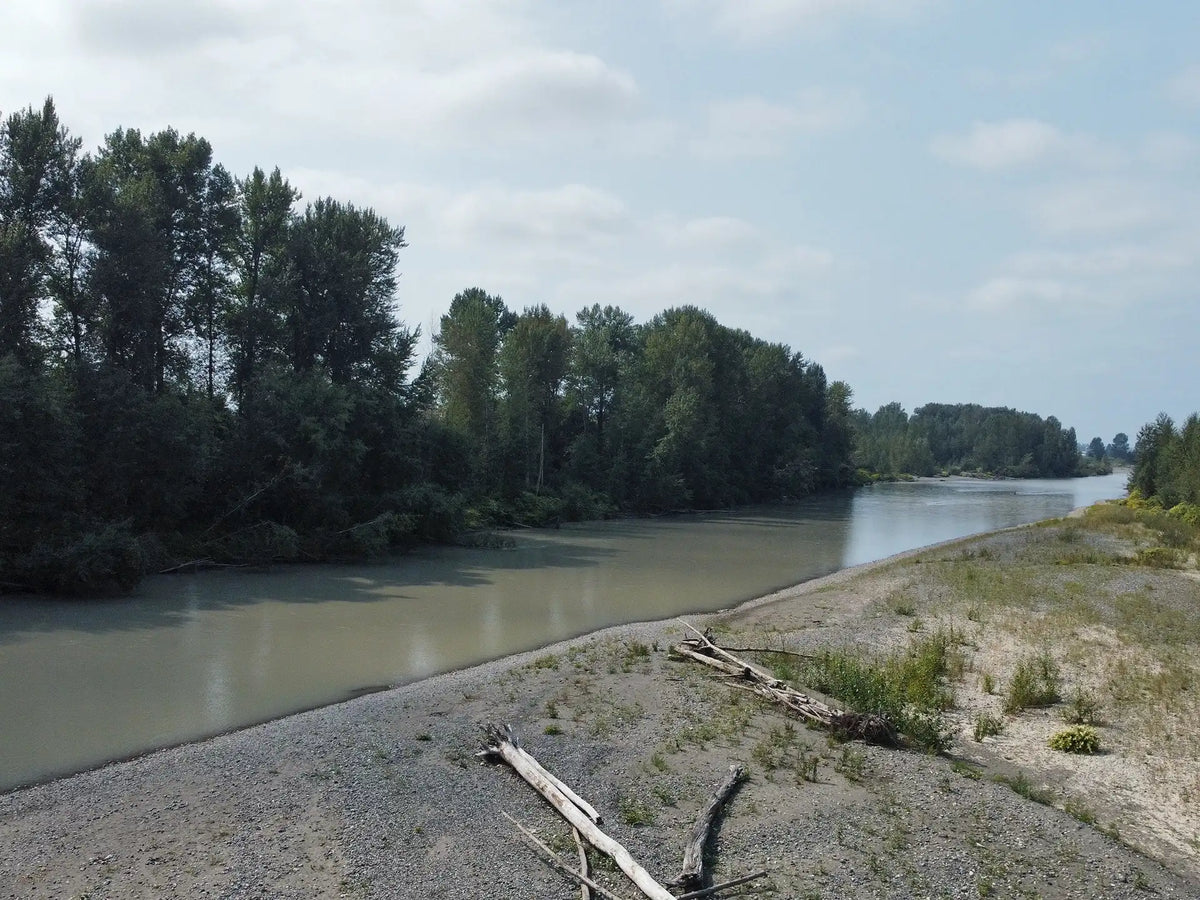
Fishing at the Nooksack River
Glacier-fed and fast-flowing off the slopes of Mount Baker, the Nooksack River is one of the most productive salmon and steelhead systems in the North Sound. With three distinct forks and multiple runs of salmon and steelhead, it's a river that rewards anglers who take the time to learn its many personalities. If you’re travelling to the Bellingham area and looking for some great river fishing, this is a great place to start.
Where is the Nooksack River
The Nooksack River drains the western slopes of the North Cascades and Mount Baker, flowing through Whatcom County before emptying into Bellingham Bay. The river is formed by three forks, the North, Middle, and South, which combine near the town of Deming to create the main Nooksack. Because it's driven by heavy rainfall and seasonal glacial melt, the Nooksack runs cold, powerful, and often turbid, a contrast to the more stable, dam-regulated rivers found further south in Puget Sound. The North Fork offers cooler, clearer water and a mix of rapids, deep pools, and gravel runs, while the South Fork is smaller and more meandering, with logjams and undercut banks that make for a more intimate fishing experience. The Middle Fork is the most remote and rugged of the three, appealing to anglers looking for genuine wilderness.
From Seattle, the Nooksack is roughly 1.5 to 2 hours north via I-5, with the main river and lower forks near Deming and Ferndale easily reached from the freeway. The North Fork, accessed along Mount Baker Highway (SR 542), adds a bit more driving time as the road climbs toward the mountains, but even the upper stretches remain well within range of a day trip from the greater Seattle area.
Nooksack River Map
What you can catch in the Nooksack River
The Nooksack supports important runs of Pacific salmon, along with a substantial winter steelhead run, summer steelhead, sea-run cutthroat, dolly varden, and resident trout and whitefish. It's particularly well known for its excellent chum salmon fishery, with strong runs typically starting in mid-October and continuing through December in the main stem and North Fork. Pink salmon show up in odd-numbered years, and coho and Chinook both provide solid fall fishing, especially as fish push from the Ferndale area up into the Deming stretch later in the season. Because wild Chinook on the Nooksack are in a critical conservation status and the river is managed jointly with tribal co-managers, rules here are genuinely complex and can change quickly, including mandatory barbless hooks, selective gear requirements, and section-specific closures, so checking current WDFW regulations before any trip is essential.

Nooksack River Fishing Seasons
Spring is generally a quieter season on the Nooksack, with the fall salmon runs and much of the winter steelhead fishery behind. Recently, the river has been closed during spring months to protect returning wild steelhead and spring chinook.
Summer brings cooler, clearer water to the North Fork in particular, making it a pleasant season for scouting and light fishing before the fall runs arrive. Some summer steelhead opportunity exists, though the Nooksack is much better known for its fall and winter fisheries. This is a good stretch of the year to get familiar with the river's many access points along Mount Baker Highway before the crowds show up in the fall. Late summer options make it a great time for stealth tactics like small steelhead jigs and soft beads fished under a bobber, or casting Little Cleo Spoons and Steelhead Slammer Spinners.
Fall is when the Nooksack truly delivers. Salmon seasons typically open around September 1 for most species, with coho and Chinook fishing picking up in the Ferndale area early in the month and runs pushing further upstream into the Deming area as October progresses. Pink salmon add a major run in odd-numbered years, and the South Fork, particularly around the Saxon Road access, is known for good coho fishing from October through November. This is the busiest and most productive season on the river, though rules can shift quickly in season based on real-time returns, so double-checking current regulations before heading out is especially important this time of year. Dick Nite Spoons and twitching jigs are popular for Coho and Pink Salmon. If you’re looking to target Chinook, cured salmon roe fished under a bobber can be highly effective in the deep pools and pockets of the middle river.
Winter is chum and steelhead season on the Nooksack. The chum run typically builds through mid-October and continues into December in the main stem and North Fork, while the river's substantial winter steelhead run offers excellent fishing from December through March using traditional drift fishing and float fishing techniques in the mid-river runs and pools. Because the Nooksack is prone to rapid flow changes and extreme winter conditions, monitoring current Washington river flow data before a winter trip is just as important as checking the regulations. Chum salmon love biting cerise or purple steelhead jigs under a bobber, but will also take readily to drift fishing corkies and yarn. For winter steelhead, fishing with a bobber and steelhead jig can be highly effective.

Salmon anglers line the gravel bar near Nugent's Corner.
Best Fishing Spots on the Nooksack River
The North Fork, paralleled by Mount Baker Highway (SR 542) between Deming and Kendall, offers numerous public pull-offs and WDFW-managed access sites with strong drifts for both fly and gear anglers. The South Fork, accessed via State Route 9 in its lower sections and forest roads further upstream, is smaller and more intimate, with the Saxon Road access point a well-known spot for fall coho. The Ferndale area, on the lower main stem, is where Chinook and coho fishing typically heats up first each September before fish push further upstream toward Deming. Because much of the riverbank in Whatcom County remains privately held, sticking to established public access sites and posted WDFW areas is essential for fishing the Nooksack ethically and legally.

Fishing on the Nooksack River
Because the Nooksack supports critical wild Chinook stocks and is co-managed with tribal governments, its regulations are detailed and prone to change on short notice, including in-season emergency rules, section-specific closures, and shifting gear requirements. WDFW frequently adjusts open and closed stretches of the river during the same season to balance conservation needs with co-manager fisheries, so it's genuinely important to check the latest emergency rules and the current Sport Fishing Rules pamphlet before every trip rather than relying on what was open last time out. A valid Washington fishing license with the appropriate endorsement is required, and given the river's reputation for rapid flow changes, keeping an eye on current conditions is just as important as knowing the rules. With a bit of homework, the Nooksack rewards anglers with some of the most productive and varied salmon and steelhead fishing in the North Sound. WDFW fishing regulations


